

India, known as the spice bowl of the world, holds a prominent position in global spice production and export. For centuries, spices have shaped India’s trade relations and contributed to its economic growth. Today, modern export networks combined with traditional knowledge make Indian spices a staple in kitchens around the world. The role of a spice exporter is crucial in maintaining this global demand and reputation, with cinnamon emerging as one of the most sought-after spices in recent years.
Cinnamon, in particular, has witnessed a rise in global consumption due to its use in culinary, medicinal, and cosmetic applications. This trend has created strong market potential for every serious cinnamon exporter in India.
India’s Spice Export Strength
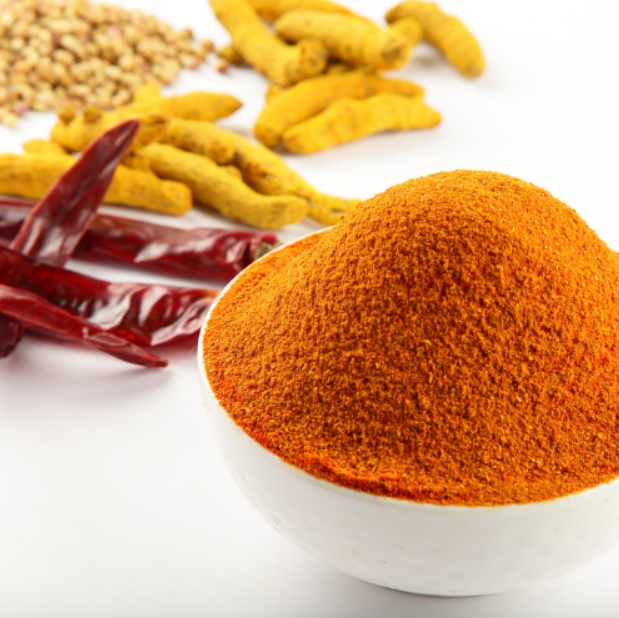
India produces over 75 varieties of spices, accounting for almost half of the global spice trade. From turmeric and cumin to cardamom and cinnamon, Indian spices are exported to more than 180 countries. Quality, flavor, and purity are the factors that keep India’s spice exports thriving.
The Indian spice industry operates through a well-organized supply chain—connecting farmers, processing units, and exporters who ensure that international standards are met at every stage.
A professional spice exporter must handle everything from sorting and drying to packaging and global logistics while adhering to safety regulations of importing countries. It is this reliability that makes India a preferred supplier for buyers seeking quality spices.
Cinnamon: A High-Demand Spice
Among the many spices exported from India, cinnamon holds a special place. Known for its sweet aroma and multiple health benefits, cinnamon is used in baked goods, beverages, pharmaceutical products, and herbal remedies.
India produces two main varieties of cinnamon:
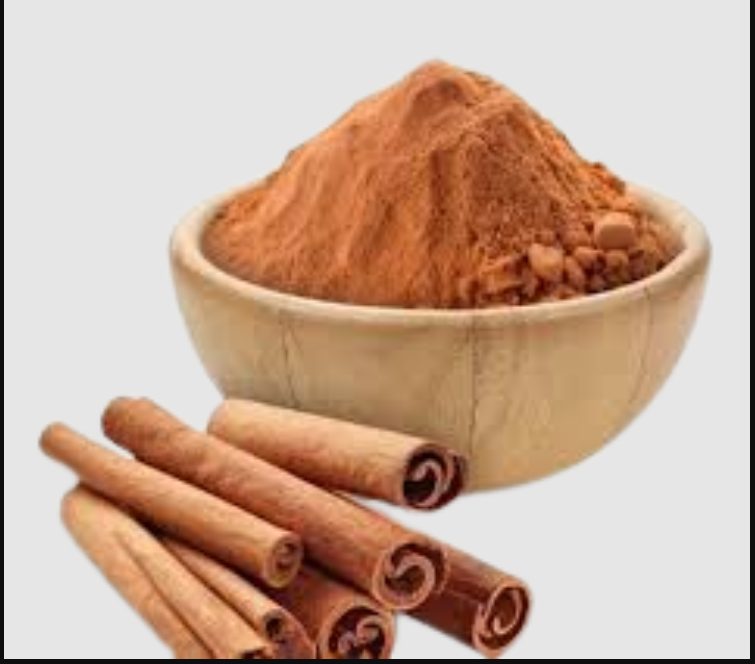
Ceylon Cinnamon (True Cinnamon): Milder and sweeter, with thin layers and delicate texture.
Cassia Cinnamon: Stronger in flavor, more widely available, and used in commercial food processing.
Both varieties are popular, but premium markets often seek Ceylon cinnamon for its refined taste and health-friendly properties.
Health Benefits Driving Demand
Cinnamon is not just a culinary ingredient—it is also valued for its health benefits:
Helps regulate blood sugar levels
Contains anti-inflammatory compounds
May reduce cholesterol
Supports immune health
With more consumers shifting toward functional foods and natural remedies, the demand for cinnamon continues to grow across North America, Europe, and parts of Asia. This growth presents a valuable opportunity for every experienced cinnamon exporter.
Key Export Markets for Indian Cinnamon
Indian cinnamon is in high demand in several global regions, including:
United States
Germany
United Kingdom
Saudi Arabia
Canada
UAE
These countries appreciate India’s ability to deliver both bulk and premium-grade cinnamon, catering to supermarkets, health stores, restaurants, and food manufacturers.
A successful cinnamon exporter focuses not just on volume but also on consistency in flavor, appearance, and packaging. Buyers in international markets rely on India’s commitment to quality to meet their brand expectations.
The Export Process for Cinnamon and Other Spices
Exporting cinnamon and other spices involves a series of carefully managed steps to ensure product safety and customer satisfaction:
Harvesting: Cinnamon bark is harvested by carefully peeling it from the tree. Timing and skill are essential to preserve flavor.
Drying and Processing: The bark is rolled into quills or processed into powder. Proper sun drying and sorting are crucial for preserving essential oils.
Grading: Cinnamon is graded based on its aroma, oil content, appearance, and moisture level.
Packaging: Moisture-proof, food-grade packaging ensures the spice reaches international markets without losing its properties.
Quality Assurance: Before export, cinnamon is tested for contaminants, allergens, and pesticide residues.
A qualified spice exporter is responsible for maintaining these standards throughout the production and supply chain.
Technology and Innovation in Spice Export
Technology has become an integral part of spice export operations. Modern exporters are adopting tools that enhance product traceability, quality control, and supply chain transparency.
Barcode and QR code tagging for batch tracing
Moisture sensors to ensure accurate drying
Automated cleaning and grading equipment
Digital documentation to ease customs clearance
These innovations help Indian exporters meet international regulatory requirements and gain trust among global buyers.
Meeting International Standards
For cinnamon and other spices to succeed in international markets, compliance with global standards is non-negotiable. Key certifications include:
FSSAI Compliance (India)
ISO 22000 and HACCP (Food Safety Management)
USFDA approval (for American markets)
EU regulations for contaminants and additives
Maintaining these certifications allows Indian exporters to expand into more sophisticated markets and attract long-term buyers.
Challenges Faced by Exporters
While the spice export sector is full of opportunity, there are still some challenges that need consistent attention:
Fluctuating International Prices
Prices for cinnamon and other spices can vary due to weather conditions, crop yield, and demand cycles. Exporters need to balance farmer interests with global pricing.
Quality Preservation
Maintaining the flavor and aroma of cinnamon during long-distance shipping is a critical challenge. Proper drying, airtight packaging, and humidity control help prevent spoilage.
Rising Competition
Other spice-exporting countries like Sri Lanka, Indonesia, and Vietnam also produce cinnamon. Indian exporters must focus on superior quality and prompt delivery to remain competitive.
Changing Import Regulations
Countries frequently update their food safety and import rules. A successful spice exporter must stay up-to-date with these changes to avoid shipment delays and rejections.
Despite these challenges, the growth of e-commerce, increasing global interest in Indian cuisine, and consumer preference for natural ingredients make spice exports a highly rewarding venture.
Conclusion
India’s legacy in spice production continues to grow, supported by experienced exporters, advanced technologies, and rising international demand. Cinnamon, with its wide applications and health appeal, stands out as a high-value spice in this segment.
A trusted spice exporter ensures consistent quality, competitive pricing, and compliance with global standards; strengthening India’s role in the global food chain. When it comes to sourcing high-quality spices, including cinnamon, Hashini Food Products brings expertise, transparency, and a commitment to excellence that supports long-term trade relationships.