
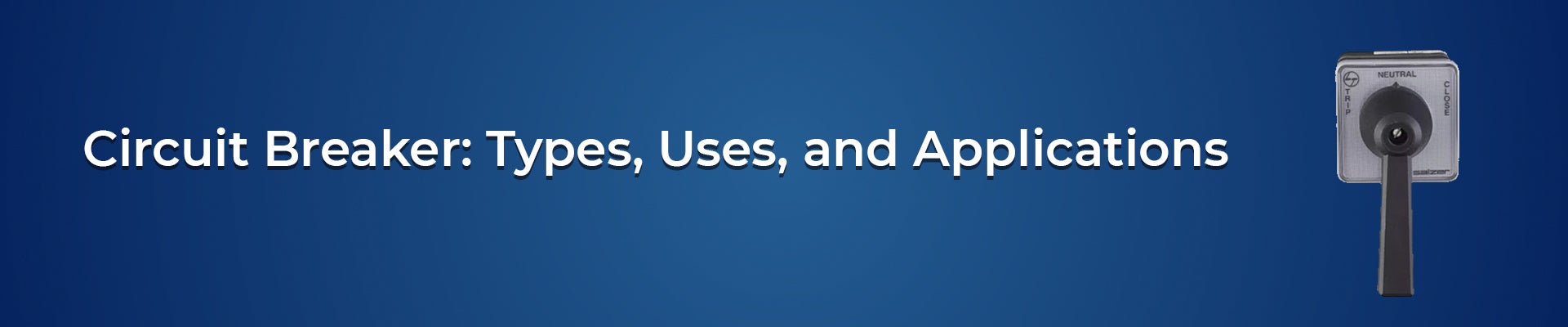
Electricity is the lifeblood of modern civilization. From powering household appliances to running complex industrial machinery, electrical energy plays a crucial role in our daily lives. However, with great power comes great responsibility—ensuring electrical safety is non-negotiable. One of the most effective safety mechanisms in any electrical system is the circuit breaker. Acting as the first line of defense, circuit breakers prevent electrical hazards such as fires, shocks, and equipment damage.
In this guide, we will explore the world of circuit breakers, with a special focus on earth leakage circuit breakers. You’ll learn about their function, and types, how to choose the right one, and why they are indispensable for residential, commercial, and industrial environments.
What is a Circuit Breaker?
A circuit breaker is an automatic electrical switch designed to protect an electrical circuit from damage caused by excess current from an overload or short circuit. Its basic function is to detect a fault and interrupt the current flow to prevent equipment damage, overheating, or fire.
Circuit breakers are not one-size-fits-all. They are designed to suit various voltage levels, current ratings, and environments. Their flexibility and reusability give them a significant advantage over fuses, which need to be replaced once blown.
Why Circuit Breakers Are CrucialSafety from Overload: Circuit breakers automatically cut off electrical flow when the current exceeds safe levels.
Protection Against Short Circuits: They help avoid fires or damage due to accidental contact between wires.
Convenient Reset Mechanism: Unlike fuses, circuit breakers can be easily reset after they trip.
Equipment Protection: They safeguard expensive appliances and machinery from unexpected electrical faults.
Regulatory Compliance: Modern buildings are legally required to include circuit protection in their electrical design.
Different Types of Circuit Breakers
Understanding the types of circuit breakers helps in selecting the right one for your application:
Miniature Circuit Breakers (MCBs)
MCBs are widely used in homes and commercial buildings. They protect against overcurrents and short circuits in low voltage installations.
Molded Case Circuit Breakers (MCCBs)
Used for higher voltage or industrial applications, MCCBs offer adjustable trip settings and higher current ratings.
Air Circuit Breakers (ACBs)
These are typically used in high-voltage applications and industrial setups. ACBs offer remote operation capabilities.
Vacuum Circuit Breakers
Mainly used in medium-voltage applications, they are efficient in arc extinguishing.
Earth Leakage Circuit Breakers (ELCBs)
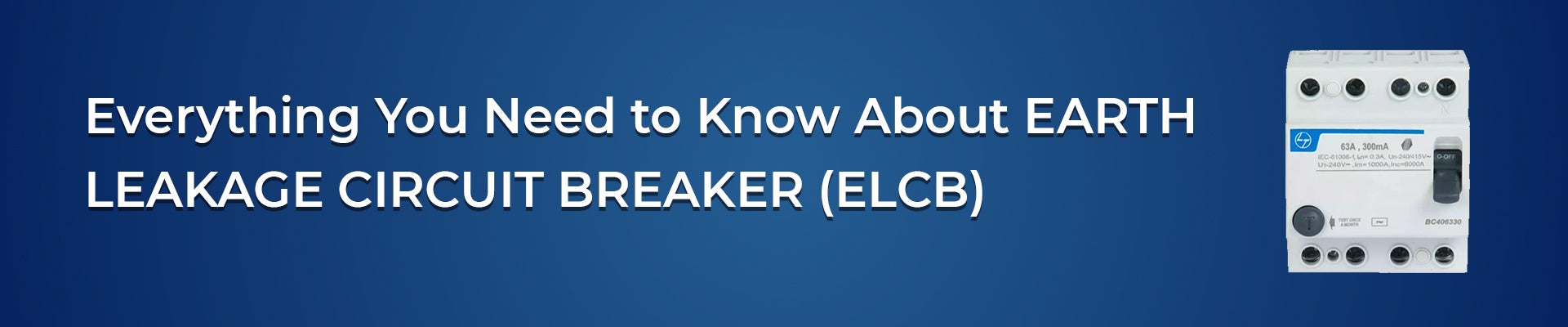
Perhaps one of the most crucial types, earth leakage circuit breakers protect people from electric shocks by detecting current leakage to the ground and disconnecting the circuit quickly.
The Importance of Earth Leakage Circuit Breakers (ELCB)
An earth leakage circuit breaker detects small stray voltages on the metal enclosures of electrical devices and interrupts the circuit if a dangerous voltage is detected. This is particularly useful in preventing electrocution and protecting both lives and property.
Key Features of ELCBs:Sensitive Detection: Can detect leakages as low as 30 mA, which is sufficient to protect humans.
Quick Disconnection: ELCBs disconnect the power supply in milliseconds, minimizing the risk of injury.
Wide Applications: Used in bathrooms, kitchens, construction sites, and places with moisture or water exposure.
Compliance and Safety: ELCBs are required in many jurisdictions for residential buildings, especially in wet areas.
How Does an Earth Leakage Circuit Breaker Work?
An earth leakage circuit breaker works by monitoring the flow of current through the live and neutral wires of a circuit. Under normal conditions, the current entering the circuit through the live wire should return through the neutral wire. If there’s a discrepancy (meaning the current is leaking to the ground), the ELCB trips and disconnects the power.
This feature makes ELCBs especially critical in environments where people might come into contact with conductive surfaces or water, which increases the risk of electric shock.
Choosing the Right Circuit Breaker
When selecting a circuit breaker, several factors must be considered:
Current Rating
The breaker should match the current requirement of the circuit. Too low, and it will trip frequently; too high, and it won’t trip when needed.
Short Circuit Rating
Ensure the breaker can handle the maximum expected fault current.
Voltage Level
Different applications require different voltage ratings—household, commercial, and industrial installations vary greatly.
Environmental Conditions
Breakers used in humid, dusty, or corrosive environments must be suitably rated for protection.
Trip Curve
Trip curves determine how fast a breaker trips under overcurrent conditions. Choose based on load type (resistive, inductive, etc.).
Tips for Installing Circuit Breakers and ELCBsHire a certified electrician for installation. Improper setup can nullify the benefits of circuit protection.
Test ELCBs regularly. Many models have a test button—pressing it should trip the breaker. If not, it needs replacement.
Label your panels. Marked circuits help in faster diagnostics and maintenance.
Use quality brands. Compromising on cost may result in malfunctioning protective devices.
Common Myths About Circuit Breakers
“If it doesn’t trip, it’s working fine.”
Not necessarily. A breaker may become faulty and fail to trip even when it should. Regular testing is essential.
“Only old buildings need upgrades.”
Even new installations can benefit from the latest circuit protection technologies like smart ELCBs.
“Earth leakage breakers are optional.”
In many regions, they are mandatory for certain areas of the home. Ignoring this can lead to code violations and safety risks.
Innovations in Circuit Breakers
Modern circuit breakers and earth leakage circuit breakers are evolving. Smart breakers now offer features like:Remote Monitoring and Control
Energy Usage Analytics
Predictive Maintenance Alerts
Mobile App Integration
These advancements are especially useful in commercial and industrial setups where monitoring numerous circuits is critical.
Conclusion
Circuit breakers, especially earth leakage circuit breakers, are more than just electrical components—they are guardians of safety. Understanding their function, proper selection, and regular maintenance are crucial steps in ensuring a secure and reliable electrical system. Whether you’re a homeowner, contractor, or industrial manager, investing in quality circuit protection pays off in peace of mind and longevity of your electrical infrastructure.When it comes to dependable electrical safety and advanced automation systems, Lauritz Knudsen Electrical and Automation stands as a trusted industry leader. With a wide range of solutions tailored for homes, commercial buildings, and industrial facilities, they offer premium-grade circuit breakers and earth leakage circuit breakers that meet the highest safety standards. Partnering with Lauritz Knudsen ensures not just the safety of your electrical setup, but also a future-ready approach to intelligent power management.