

In today’s complex food supply chain, ensuring food safety has become more important than ever. With rising consumer awareness and increasing cases of food allergies, companies across the food industry must implement robust safety practices. One of the most critical aspects of modern food safety is allergen management in the food industry, and an essential component of this is FoSTaC registration.
Understanding FoSTaC and Its Importance
FoSTaC, short for Food Safety Training and Certification, is an initiative by the Food Safety and Standards Authority of India (FSSAI) aimed at creating a trained workforce in the food sector. Through certified training programs, FoSTaC ensures that food handlers across various levels of the supply chain are well-versed in safety protocols and hygiene practices.
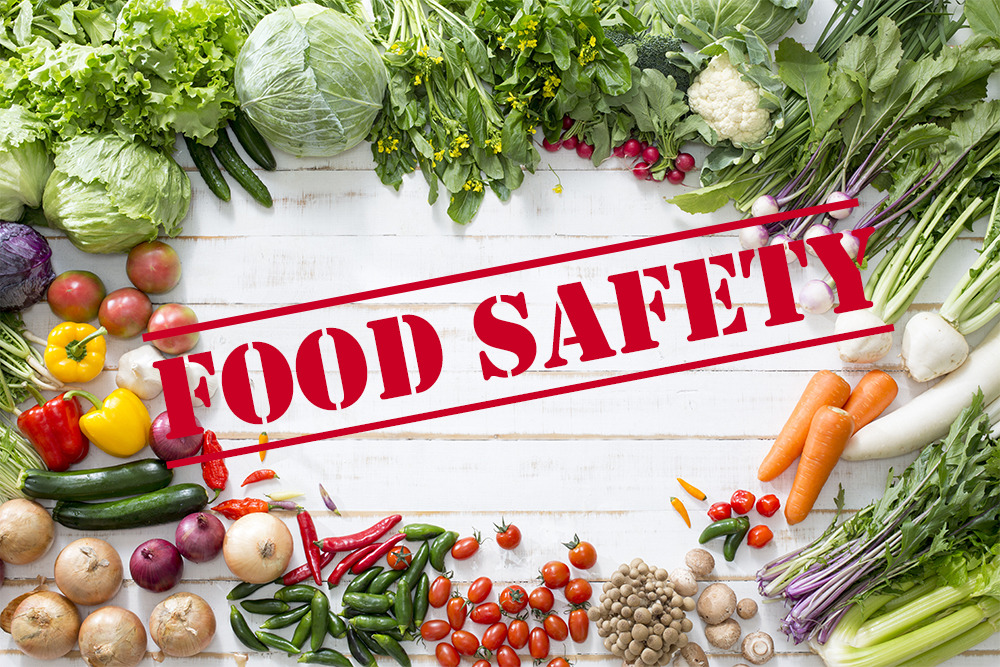
FoSTaC registration is mandatory for many food businesses under Indian regulations. It serves as a certification that the staff managing food is adequately trained in safety and hygiene protocols. With specific modules dedicated to different sectors—including manufacturing, catering, retail, and transport—FoSTaC creates a structured learning approach that promotes better implementation of food safety standards.
The Growing Challenge of Allergens
Allergens are naturally occurring proteins that can trigger adverse reactions in sensitive individuals. Common food allergens include peanuts, tree nuts, milk, eggs, soy, wheat, fish, and shellfish. Even minute traces of these substances can cause severe health issues ranging from mild irritation to life-threatening anaphylaxis.
In India, awareness around food allergies is growing, but allergen management is still in its developing phase in many parts of the industry. Poor labeling, cross-contamination, and lack of awareness among food handlers can lead to serious consequences. This is where the FoSTaC framework becomes highly relevant.
Allergen Management in the Food Industry
Allergen management in the food industry involves identifying allergens in ingredients, avoiding cross-contact during food processing, maintaining accurate labels, and training staff on safe food handling procedures. It’s not just about protecting consumers—it’s also about regulatory compliance and safeguarding the reputation of food businesses.
Key aspects of effective allergen management include:
Supplier control: Ensuring ingredients from suppliers are free from undeclared allergens.
Segregation practices: Using separate equipment or scheduling to avoid cross-contact.
Sanitization protocols: Implementing thorough cleaning between processing allergen-containing and allergen-free foods.
Clear labeling: Informing consumers of potential allergens in food products.
Employee training: Ensuring all staff are educated about allergens, from procurement to packaging.
How FoSTaC Registration Supports Allergen Control
The FoSTaC initiative directly contributes to allergen management by incorporating it into training curriculums for various levels of food handlers. This ensures that everyone, from factory workers to supervisors, understands the significance of allergen safety and follows best practices.
Here’s how FoSTaC registration enhances allergen management:
Structured Training Modules
FoSTaC training includes modules that address topics like personal hygiene, food handling practices, cleaning and sanitation, pest control, and allergen management. These modules are tailored to specific roles and industry segments, providing targeted knowledge to reduce risks.
Increased Awareness Among Food Handlers
Many food allergy incidents occur due to ignorance at the ground level. FoSTaC-trained staff are more likely to recognize critical points of contamination and understand the implications of improper food handling. This heightened awareness significantly improves day-to-day operations in kitchens and manufacturing units.
Cross-functional Compliance
From procurement to production, packaging, and distribution, allergen risks exist throughout the supply chain. FoSTaC ensures that each link in the chain is fortified with trained personnel who understand how to handle allergens safely.
Improved Documentation and Labeling
FoSTaC training emphasizes the importance of documentation, including allergen declarations, cleaning logs, and corrective action records. This makes it easier for businesses to comply with audits and traceability requirements.

Building Consumer Trust
With the growing demand for transparency, customers now look for brands that ensure high safety standards. FoSTaC certification acts as a seal of credibility, demonstrating that a company is committed to consumer health and regulatory compliance.
Implementing FoSTaC in Allergen Management Strategy
To truly benefit from the FoSTaC framework, businesses should integrate it into their overall food safety strategy. This includes:
Regularly training new and existing staff under the FoSTaC certification program.
Appointing a trained Food Safety Supervisor (FSS) as mandated by FSSAI.
Conducting internal audits to ensure allergen protocols are being followed.
Establishing corrective action procedures for allergen-related incidents.
Staying updated with changes in regulatory guidelines and training modules.
The Future of Allergen Management in India
India’s food processing industry is growing rapidly, and with that growth comes increased responsibility. As more international brands enter the Indian market and domestic brands expand globally, allergen safety will become a defining factor for business success.
Organizations must take a proactive stance by adopting global best practices while aligning with national standards like FoSTaC. This alignment not only ensures compliance but also builds a foundation of trust with consumers.
Conclusion
In a world where consumer safety is paramount, FoSTaC registration has emerged as a vital tool in maintaining high hygiene and safety standards across the food industry. Its role in strengthening allergen management in the food industry cannot be overstated. By training personnel, improving awareness, and enforcing structured food safety protocols, FoSTaC is helping Indian food businesses meet global expectations.FICSI (Food Industry Capacity and Skill Initiative) plays a crucial role in facilitating FoSTaC training programs and empowering food handlers across the country. By collaborating with industry stakeholders, FICSI ensures that the training meets the evolving needs of the food sector. For any business aiming to deliver safe and trustworthy food products, investing in FoSTaC training through FICSI is not just a regulatory requirement—it is a strategic move toward excellence in food safety.