


What truly defines this comic culture? Is it simply the consumption of sequential art? Or is it something deeper? This culture, often misunderstood or superficially dismissed, represents a vibrant confluence of art, literature, social commentary, and passionate community. It’s a space where visual dynamism meets narrative depth, allowing for explorations of the human condition that are both profoundly intimate and staggeringly epic. Moving beyond the stereotype of spandex-clad heroes, we find that comic culture today is a sophisticated and influential force, shaping conversations, reflecting societal anxieties, and connecting diverse audiences worldwide.
A Versatile Tool of Expression
Many still associate comics primarily with superheroes or childhood manga series like the ubiquitous One Piece, remembered through a haze of nostalgia and perhaps parental confusion at sprawling continuities. While these are undeniably significant pillars, contemporary comic culture encompasses an infinitely broader spectrum. It includes deeply personal memoirs exploring trauma and identity (like Marjane Satrapi’s Persepolis or Alison Bechdel’s Fun Home), incisive political allegories (Art Spiegelman’s Maus), sprawling science fiction and fantasy epics, historical accounts, journalistic investigations, and quiet, slice-of-life dramas. This diversity demonstrates that the form – sequential art – is a versatile tool adaptable to virtually any genre or subject matter. The common thread isn’t the genre, but the engagement with this unique visual-narrative format and the communities that form around it. Therefore, comic culture is less about what stories are told, and more about how they are told and how audiences engage with them.
The power embedded within comic culture stems directly from its unique storytelling mechanics. Visuals can instantly convey atmosphere, emotion, and action, bypassing the need for lengthy description. A single panel can communicate dread through shadow and perspective, joy through vibrant colour and dynamic posture, or complex social hierarchies through character placement and design. Simultaneously, the text provides context, dialogue, internal monologue, and narrative progression. This constant dialogue between seeing and reading engages the audience actively, requiring them to synthesize information from both channels. This active participation fosters a deeper connection to the material and allows creators within comic culture to tackle daunting subjects like political corruption, the nuances of ethical dilemmas, or the psychological toll of heroism in ways that feel both immediate and thought-provoking. It makes the abstract tangible and the complex accessible, inviting readers into sophisticated conversations they might otherwise avoid.
The Dragon Ball Effect
A pivotal moment highlighting the global resonance and profound impact of comic culture was the passing of Akira Toriyama, the creator of Dragon Ball. As the original text notes, the outpouring of grief and tribute was astonishingly widespread, emanating not just from fans, but from international governments, major sports leagues like Formula 1, football clubs, and even, starkly, cartels. This wasn’t merely mourning an entertainer; it was acknowledging the loss of a figure whose work had become woven into the very fabric of global popular culture. Toriyama’s Dragon Ball, initially a manga series, became a worldwide phenomenon through anime adaptations, video games, and merchandise. Its story, characters (like Goku), and iconic imagery transcended language, nationality, and cultural backgrounds. This phenomenon perfectly illustrates a key aspect of modern comic culture: its powerful integration with and influence by manga. Manga’s distinct artistic styles, diverse genres (ranging from shonen action to shojo romance, seinen drama, and kodomomuke children’s stories), and often long-form storytelling have dramatically expanded the horizons and appeal of sequential art worldwide. Toriyama’s legacy underscores how comic culture, significantly energized by manga’s influence, possesses a unique ability to cross borders and unite disparate groups through shared narratives and iconic characters. The sheer diversity of the tributes speaks volumes about the deep, cross-cultural penetration achieved by the stories nurtured within this culture.
Role of Comic Culture in Modern Society
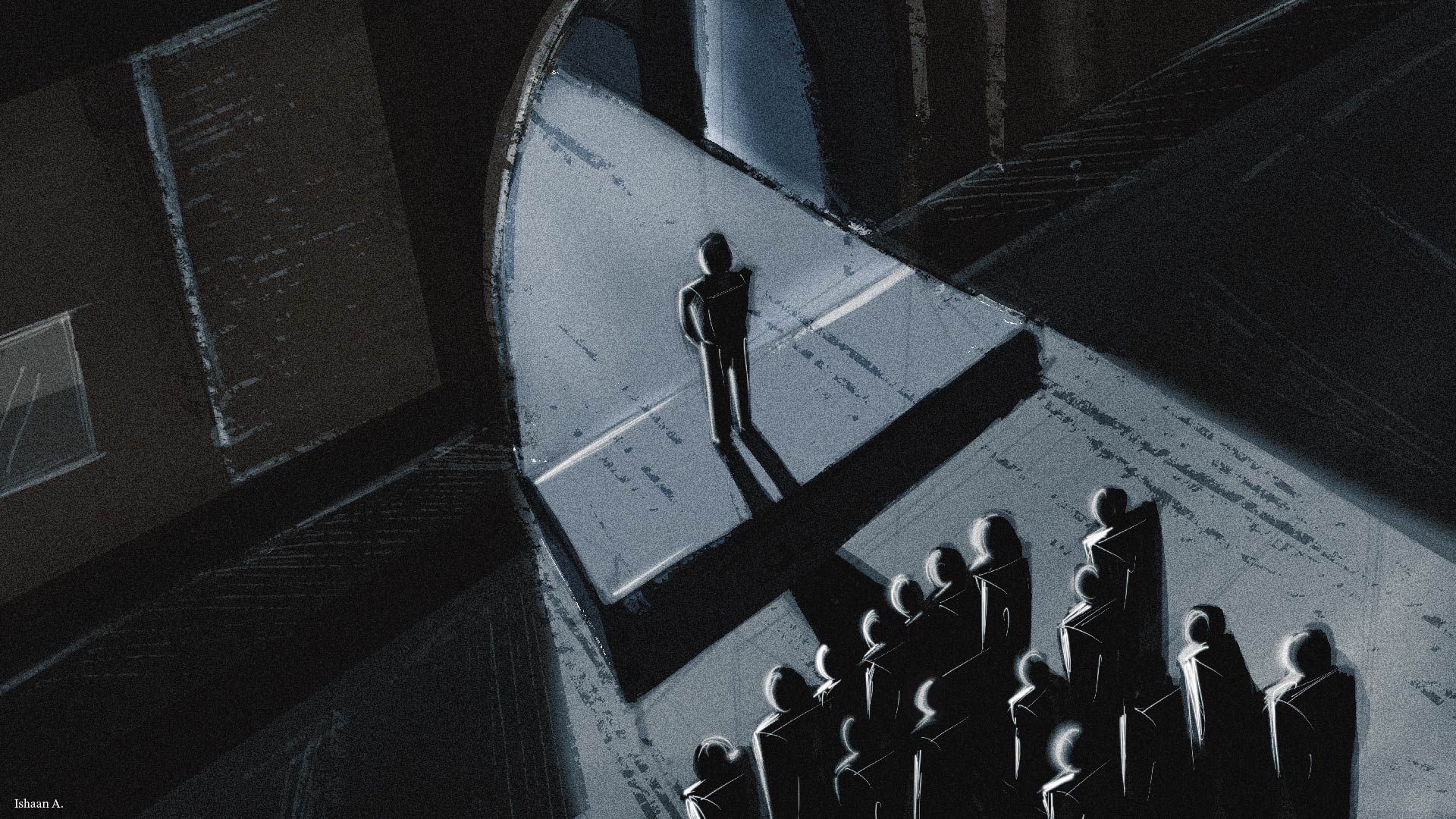
Reflecting on this global reach forces us to consider the role of comic culture in modern society. It serves as far more than simple escapism. Graphic novels and comics often function as powerful mirrors, reflecting our world’s complexities, anxieties, and aspirations. They tackle social justice issues, explore historical events from marginalized perspectives, and probe the ethical dimensions of scientific advancement or political power. By blending the personal with the political, the fantastical with the relatable, comic culture provides a unique space for critical reflection and dialogue. When a superhero grapples with the collateral damage of their actions, it prompts readers to consider the cost of power. When a memoir depicts the struggles of immigration or coming-of-age, it fosters empathy and understanding. The visual nature of the medium can make these explorations particularly potent, rendering difficult truths in ways that are hard to ignore.
Furthermore, comic culture acts as a window, offering glimpses into possibilities beyond our immediate reality. Through speculative fiction, fantasy worlds, or alternative histories, it allows us to explore different ways of being, different societal structures, and the potential consequences of our current trajectory. This imaginative capacity is not mere fantasy; it is a vital tool for envisioning change, questioning norms, and inspiring action. The concept of heroism, central to many comics, evolves within comic culture beyond simple binary notions of good versus evil. It delves into the flawed nature of heroes, the burden of responsibility, and the idea that heroism can reside in everyday acts of courage and compassion, not just superhuman feats. By presenting these nuanced portrayals, comic culture encourages readers to “uncover the heroics within themselves and the power of the human spirit to overcome, question, and aspire.”
The community aspect is also integral to comic culture. Conventions, online forums, fan fiction, cosplay, critical analysis blogs, and local comic shop gatherings all contribute to a shared ecosystem where passion for the medium translates into social connection and intellectual exchange. This communal engagement amplifies the impact of the stories, allowing interpretations to be debated, themes to be dissected, and appreciation to be shared. It transforms the solitary act of reading into a collective experience, further cementing comic culture as a living, breathing entity. This shared enthusiasm, often spanning generations and geographical boundaries, fosters a sense of belonging and shared identity among participants.
In Conclusion
In conclusion, comic culture is a rich, multifaceted, and globally influential sphere that extends far beyond outdated stereotypes. Defined by the powerful synergy of visual art and narrative text, it offers a unique and accessible means of exploring the profound complexities of human experience – from the intricacies of power and politics to the nature of heroism and the depths of personal struggle. Today, editorial platforms like Jameson Connects, are actively exploring these popular sub-cultures, demonstrating the enduring power of sequential art to challenge, enlighten, and connect us all.
Read More :- https://organesh.com/blog/the-unbound-voice-zines-creative-anarchy-and-the-power-of-co