
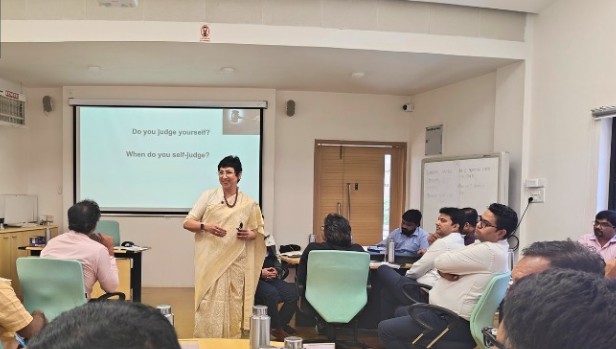
In today’s collaborative and fast-changing business environment, leadership development is no longer limited to individual growth. Organizations are increasingly shifting their focus toward collective development,where teams grow together, align with shared goals, and perform at a higher level. This shift has made working with a certified executive coach through group executive presence coaching highly valuable for modern organizations.
Leadership today is not just about individual brilliance. It is about how effectively leaders communicate, collaborate, and influence others within a team setting. Group coaching creates a dynamic and interactive environment where leaders not only refine their own skills but also learn from the perspectives and experiences of others. This shared learning accelerates growth and builds stronger, more aligned teams.
What is Group Executive Presence Coaching?
Group executive presence coaching is a structured development process where multiple leaders or professionals are coached together to enhance their communication, confidence, and leadership effectiveness.
Unlike traditional training programs, group coaching is interactive and experiential. It focuses on real-time challenges and encourages participants to actively engage in discussions, exercises, and feedback sessions.
Key characteristics include:
- Interactive and collaborative sessions that encourage participation
- Shared learning experiences across diverse roles and perspectives
- Real-time feedback from both peers and the coach
- Focus on team dynamics and collective improvement
- Practical exercises that simulate real workplace scenarios
This approach creates a safe space for leaders to experiment, learn, and grow together. Unlike one-on-one coaching, which focuses on individual goals, group coaching emphasizes alignment, collaboration, and shared success.
Why Executive Presence Matters in Teams
Executive presence is often viewed as an individual leadership trait, but in reality, it has a significant impact on how teams function and perform. When multiple leaders within a team demonstrate strong executive presence, it creates a ripple effect across the organization.
Executive presence helps teams:
- Communicate ideas more clearly and effectively
- Build trust and credibility within and across teams
- Handle challenges and high-pressure situations with confidence
- Collaborate efficiently and resolve conflicts constructively
- Influence stakeholders and drive outcomes
When executive presence is developed collectively, it strengthens team cohesion and improves overall organizational performance.
In group settings, leaders also become more aware of how their behavior affects others. This awareness leads to more thoughtful communication and better interpersonal relationships.
Benefits of Group Executive Presence Coaching
Group coaching offers several advantages that go beyond individual development. It creates a shared learning environment that enhances both personal and team performance.
1. Shared Learning Environment
Participants gain insights not only from the coach but also from each other. Real-world experiences shared within the group make learning more practical and relatable.
2. Diverse Perspectives
Each participant brings a unique viewpoint, enriching discussions and encouraging innovative thinking. Exposure to different perspectives helps leaders broaden their understanding.
3. Improved Collaboration
Group coaching strengthens relationships among team members. Leaders learn to communicate more effectively and work together more efficiently.
4. Cost-Effective Development
Organizations can train multiple leaders at the same time, making it a more efficient use of resources compared to individual coaching for each participant.
5. Immediate Feedback
Participants receive instant feedback from both peers and the coach. This accelerates learning and allows for quick adjustments.
6. Real-Time Practice
Leaders get the opportunity to practice new skills in a safe environment before applying them in real situations.
These benefits make group coaching a powerful tool for leadership development at scale.
Role of a Certified Executive Coach
The success of group coaching largely depends on the expertise of the coach. A certified executive coach brings structure, credibility, and proven methodologies to the process.
A certified coach ensures:
- Use of established coaching frameworks and techniques
- Ethical and professional standards in all interactions
- Structured sessions with clear objectives
- Measurable outcomes and progress tracking
- A balanced approach between guidance and self-discovery
Certification also indicates that the coach has undergone formal training and adheres to industry standards, ensuring consistency and quality.
This level of professionalism builds trust and ensures that the coaching experience delivers real value.
Key Areas Covered in Group Coaching
Group executive presence coaching focuses on developing essential leadership skills that are critical in today’s workplace.
1. Communication Skills
Participants learn how to express ideas clearly, listen actively, and adapt their communication style based on the audience.
2. Confidence Building
Leaders develop self-assurance, enabling them to handle challenging situations and speak with authority.
3. Emotional Intelligence
Understanding and managing emotions helps leaders build stronger relationships and navigate team dynamics effectively.
4. Conflict Management
Participants learn how to address disagreements constructively and turn conflicts into opportunities for growth.
5. Leadership Presence
Leaders develop the ability to influence, inspire, and command respect in professional settings.
6. Decision-Making and Clarity
Coaching helps leaders think strategically and make informed decisions with confidence.
These skills collectively enhance leadership effectiveness and team performance.
How the Coaching Process Works
Group executive presence coaching follows a structured yet flexible approach, ensuring that it meets the specific needs of the participants.
Typical steps include:
1. Assessment of Participants
Understanding individual strengths, challenges, and development areas.
2. Goal Setting for the Group
Defining clear objectives aligned with organizational priorities.
3. Interactive Coaching Sessions
Facilitating discussions, exercises, and learning activities.
4. Practice and Role Plays
Simulating real-life scenarios to apply new skills.
5. Feedback and Reflection
Encouraging participants to reflect on their learning and receive constructive feedback.
6. Continuous Improvement
Building on previous sessions to ensure consistent progress.
Each stage is designed to reinforce learning and create lasting behavioral change.
Who Should Participate in Group Coaching?
Group executive presence coaching is suitable for a wide range of professionals and teams.
Ideal participants include:
- Leadership teams looking to improve alignment
- Mid-level managers transitioning into senior roles
- High-potential employees being groomed for leadership
- Cross-functional teams aiming to improve collaboration
- Organizations undergoing change or transformation
The diversity of participants enhances the learning experience and encourages broader thinking.
Impact on Organizational Culture
Group coaching has a significant influence on organizational culture. It helps create an environment where collaboration, communication, and continuous learning are valued.
Key cultural benefits include:
- Improved communication across all levels
- Increased trust and transparency
- Stronger alignment with organizational goals
- Enhanced teamwork and collaboration
- Greater openness to feedback and change
Over time, this leads to a more positive and productive workplace.
Addressing Common Workplace Challenges
Organizations often face challenges that hinder performance and growth.
Common issues include:
- Communication gaps between teams
- Lack of confidence among emerging leaders
- Conflicts within teams
- Resistance to change
- Misalignment of goals
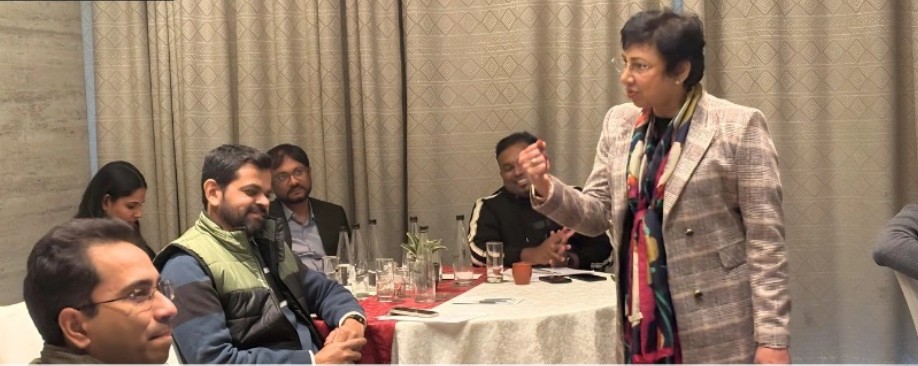
Group coaching provides a structured platform to address these challenges. Through open discussions, feedback, and guided exercises, participants develop the skills needed to overcome these obstacles.
Long-Term Benefits for Organizations
Investing in group executive presence coaching delivers long-term value for organizations.
Key benefits include:
- Stronger leadership pipeline for future growth
- Improved team performance and collaboration
- Higher employee engagement and retention
- Better decision-making across all levels
- Enhanced adaptability in changing environments
These outcomes contribute to sustainable success and organizational resilience.
Conclusion
Working with a certified executive coach through group executive presence coaching offers a powerful and holistic approach to leadership development. It combines individual growth with collective learning, creating stronger, more aligned teams.
Coach Samira Gupta brings structured methodologies, practical insights, and a collaborative approach to group coaching. By focusing on communication, confidence, and leadership presence, she helps leaders grow together and unlock their full potential.
In today’s interconnected business world, leadership is no longer just about individual excellence,it is about collective success. Group executive presence coaching provides the tools, environment, and guidance needed to achieve that success.
Ultimately, organizations that invest in developing their leaders together are better equipped to face challenges, drive innovation, and achieve long-term growth.