
Running a food business, managing a restaurant, or working as a home baker comes with a hefty dose of responsibility. In an industry where a single misstep can lead to foodborne illness, consumer distrust, or even legal trouble, proof of competence isn’t just helpful—it’s crucial. Yet, countless professionals still rely on outdated training or incomplete on-the-job advice. The modern solution? Securing a food safety certificate online, quickly, conveniently, and with full accreditation.
Why Food Safety Training Matters More Than Ever
Globalization has extended food supply chains, making it harder to trace contamination origins and easier for pathogens to travel vast distances. Simultaneously, social media gives everyday diners a megaphone to report bad experiences within minutes. A lapse in hygiene can balloon from a local headache to a viral scandal. Governments worldwide have responded with stricter regulations, requiring regular certification for food handlers.
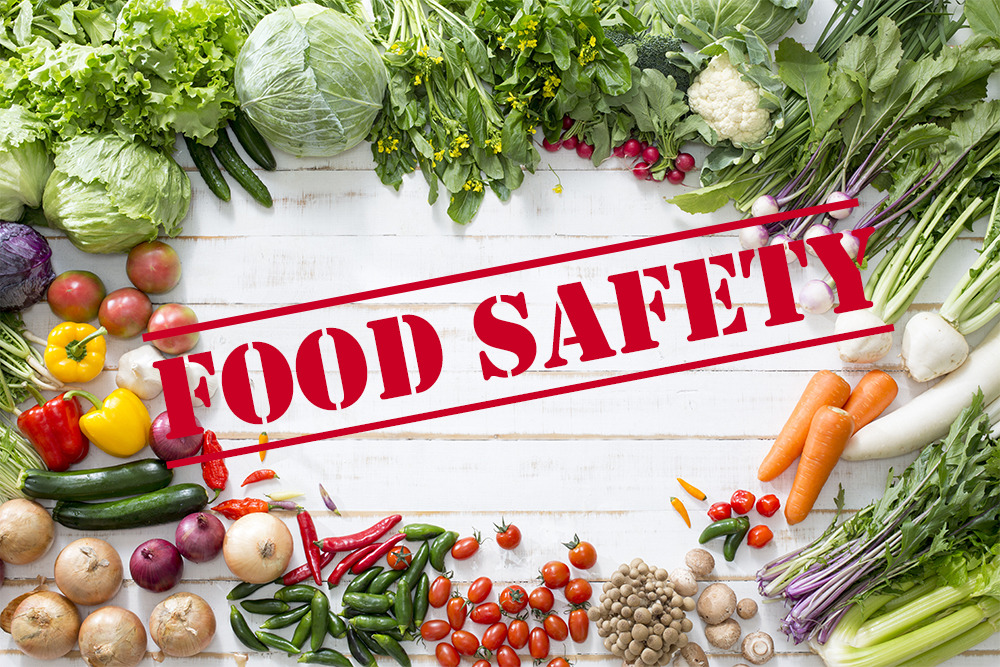
In this context, a food safety certificate online proves that you—or your staff—understand best practices in personal hygiene, cross-contamination prevention, temperature control, allergen management, and cleaning protocols. When customers or health inspectors ask for evidence, you can instantly produce a digital credential rather than rummage through paper files.
The Evolution of Food Safety Training
Not long ago, the standard path to certification involved traveling to a training centre, spending eight hours in a classroom, and sitting for a proctored exam. While effective, this model posed challenges:
Scheduling Hassles – Shutting down operations or juggling shifts to attend a day-long session.
Geographical Barriers – Limited access for people living outside metropolitan areas.
High Costs – Travel expenses, printed materials, and instructor fees pushed up the final bill.
Enter the online food hygiene course, a learning format that dismantles these barriers. By moving training modules onto cloud-based platforms, providers now offer bite-sized lessons you can complete from a laptop or smartphone. Interactive quizzes replace bulky textbooks, and proctored exams use secure webcam technology, eliminating the need for physical testing centres.
What to Look for in an Online Course
Not all e-learning programs are created equal. To ensure your credential carries weight with regulators and employers, confirm that the provider meets these criteria:
Accreditation or Regulatory Approval
Look for recognition from national or regional food safety authorities or global bodies like ISO, HACCP Alliance, or local municipal boards. Accreditation guarantees the curriculum meets current legislative standards.
Comprehensive Curriculum
A quality online food hygiene course should cover personal hygiene, pathogen control, cleaning and sanitation, time and temperature management, allergen protocols, pest control, and food safety management systems.
Learner-Friendly Design
Features such as short video modules, interactive graphics, and scenario-based questions help knowledge stick. Self-paced navigation allows you to rewind tricky sections or speed through familiar topics.
Secure, Proctored Assessment
Digital proctoring tools should verify your identity and monitor the exam environment to maintain integrity.
Downloadable Certification and Recordkeeping
Upon passing, you should receive a digital certificate plus a wallet card or a printable PDF accepted by local health departments. Good platforms store all credentials in a personal dashboard for easy retrieval.
Ongoing Updates and Recertification Reminders
Food safety regulations change. Reliable providers alert you when refresher courses are due and update their material accordingly.
Steps to Earning a Food Safety Certificate Online—Simplified
Select an Accredited Provider
Vet course outlines, read user reviews, and confirm legitimacy with your regional food authority if unsure.
Complete the Registration Process
You’ll enter basic details, create a password, and pay the course fee. Many platforms offer group discounts for teams.

Navigate the Course Modules
Expect a mix of video tutorials, drag-and-drop activities, multiple-choice quizzes, and downloadable reference guides. Allocate time strategically: some people finish in one sitting; others spread it over a week.
Take Practice Tests
Mock exams familiarize you with question formats and identify weak spots.
Schedule or Launch the Final Exam
Some systems allow instant testing; others require setting an appointment for remote proctoring. Keep a photo ID ready.
Download Your Certificate
Upon passing, the system issues a digital badge instantly. Save a copy, print a backup, and display the credential where required.
Implement Learned Practices
Certification is only as good as daily application. Update SOPs, retrain staff, and use course checklists during kitchen walkthroughs.
Advantages of Going Digital
Speed – Many participants finish a food safety certificate online in under four hours, compared with full-day classroom sessions.
Flexibility – Pause, rewind, or revisit lessons whenever you want. Ideal for balancing shift work or family obligations.
Cost-Effectiveness – No travel and reduced overhead translate into lower fees—often 30–50 % cheaper than in-person courses.
Standardization – Large organizations can ensure uniform training across multiple locations. Digital analytics track completion rates and scores.
Environmental Impact – E-learning slashes paper consumption and carbon emissions tied to travel.
Overcoming Common Concerns
“Online exams aren’t secure.” Modern platforms use AI-powered remote proctoring, keystroke analytics, and facial recognition to prevent cheating.
“I learn better face-to-face.” Look for courses featuring live webinars, discussion boards, or chat support. Many providers also offer hybrid models, blending online theory with optional in-person practice.
“Digital certificates won’t impress inspectors.” As long as the program is accredited, digital credentials carry the same legal weight. Print copies and laminate them for display if you prefer a physical presence on-site.
Real-World Impact: A Quick Success Story
Rina owns a small bakery in Gurugram. Staff turnover was high, and scheduling classroom training was a nightmare. Switching to an online food hygiene course allowed new hires to certify within their onboarding week. The bakery’s most recent health inspection scored 98 %, up from 84 % the previous year, and customer reviews praise consistent quality. Rina spends less time worrying about compliance and more time perfecting recipes.
Future Trends in Food Safety E-Learning
Micro-Certification – Short, focused modules on allergens, vegan operations, or cold-chain logistics let professionals stack credentials.
Virtual Reality Simulations – VR kitchens replicate real-life scenarios, offering risk-free practice in critical tasks.
Blockchain Credentialing – Immutable verification records will help employers instantly confirm employee qualifications.
Adaptive Learning Algorithms – AI will tailor course difficulty and content based on individual performance, speeding mastery.
Conclusion
Earning a food safety certificate online is no longer a novelty; it’s fast becoming the gold standard for culinary professionals worldwide. A comprehensive, accredited online food hygiene course saves time, reduces costs, and provides the flexibility today’s workforce needs—without sacrificing educational quality. Whether you’re a chef, caterer, food truck owner, or hospitality manager, online certification puts compliance and confidence at your fingertips.
For those seeking industry-aligned training in India, FICSI (Food Industry Capacity & Skill Initiative) partners with accredited e-learning platforms to deliver up-to-date, skill-based programs, ensuring that your digital credential is both respected and recognized in the marketplace. Earn your certificate today, and serve your customers tomorrow with unwavering assurance in safety and quality.